
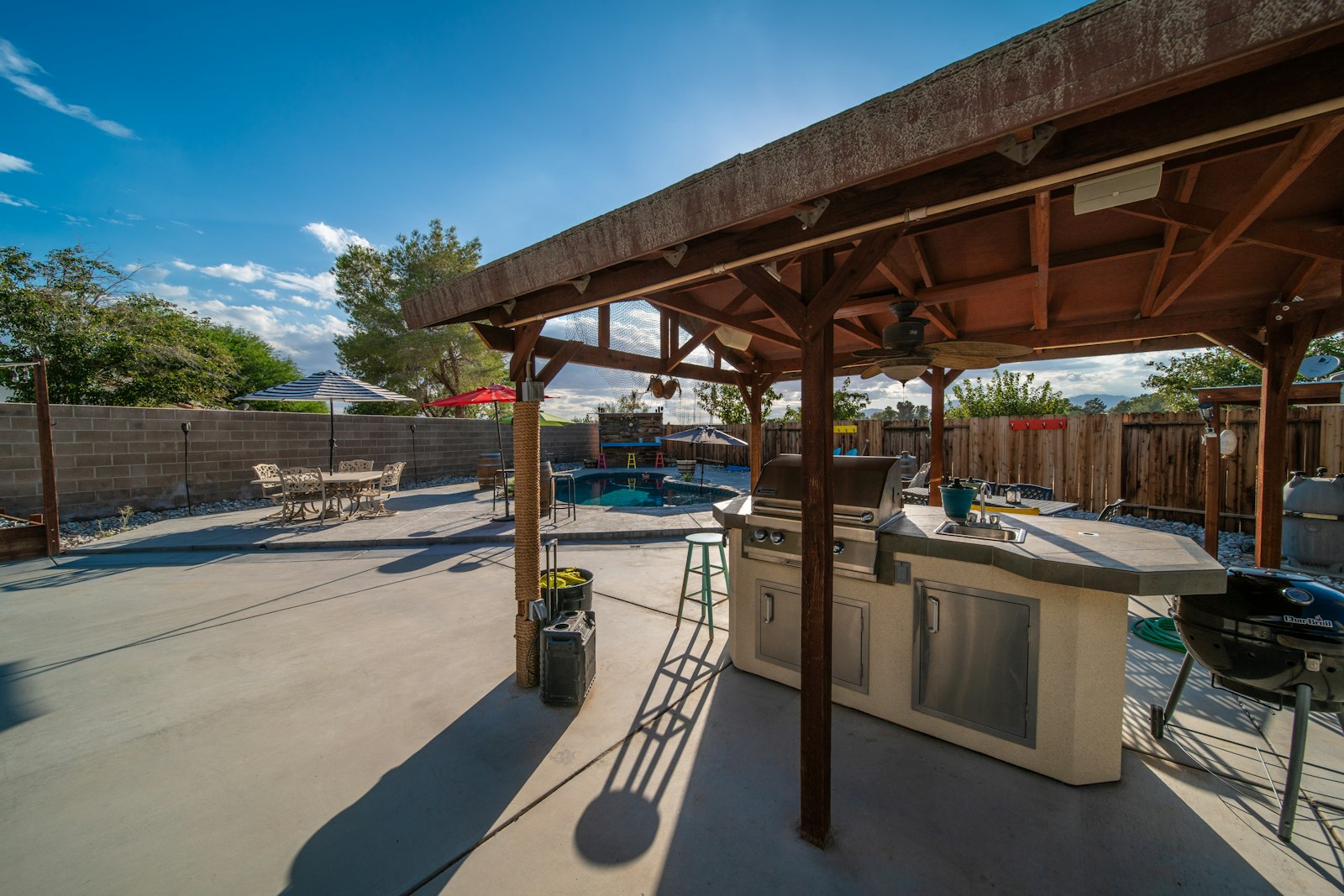
A cover is what turns a patio from a fair-weather slab into a room you use all summer: shaded in the heat, dry in the rain, finished overhead. The cover you choose decides the cost, the upkeep, and how well it survives the Triangle's long hot, humid season and its afternoon storms. Here is how the main options compare, and how to decide between attached and freestanding.
Match the Cover to How Much Sun and Shelter You Want
The first fork is how much you want the cover to do. An open wood pergola filters sun and defines a space but does not keep you dry. A solid roof, whether framed wood, insulated aluminum, or panels, gives real shade and sheds rain so you can sit outside through a downpour. Decide whether you want dappled light and open sky or a true outdoor room first, because that narrows the materials before you ever talk price.
Covered Patio Materials, Compared
| Cover Type | Cost / Sq Ft | Durability | Upkeep |
|---|---|---|---|
| Wood Pergola (open) | $15 to $35 | Good if sealed | Re-seal or re-stain every 3 to 6 yrs |
| Solid Wood Roof | $20 to $50 | Good if maintained | Seal and inspect, watch for rot |
| Aluminum | $20 to $50 | Excellent, 30+ yrs | Rinse only, no paint or stain |
| Vinyl | $15 to $40 | Moderate | Wash, can fade or grow brittle in heat |
| Polycarbonate Panels | $10 to $30 | 10 to 20 yrs | Wash, may yellow or scratch over time |
What Holds Up in NC Heat, Humidity, and Storms
Our climate is the real test. Long stretches of heat and humidity are hard on materials, and summer storms bring wind and heavy rain. Aluminum is the standout for endurance: it will not warp, crack, or rot, the baked-on finish resists fading, and a quality cover lasts 30 years or more with little more than a rinse. Wood is beautiful and can be matched to your home's roofline, but in our humidity it needs regular sealing and a watchful eye for rot and termites. Vinyl can grow brittle and discolor in sustained heat. Polycarbonate is the budget way to get a covered, light-filled space, but the panels can yellow and scratch and have the shortest lifespan of the group.
Typical Lifespan by Cover Type
Representative midpoints. Sealed-and-maintained wood and quality aluminum last longest; polycarbonate the shortest.
Attached or Freestanding
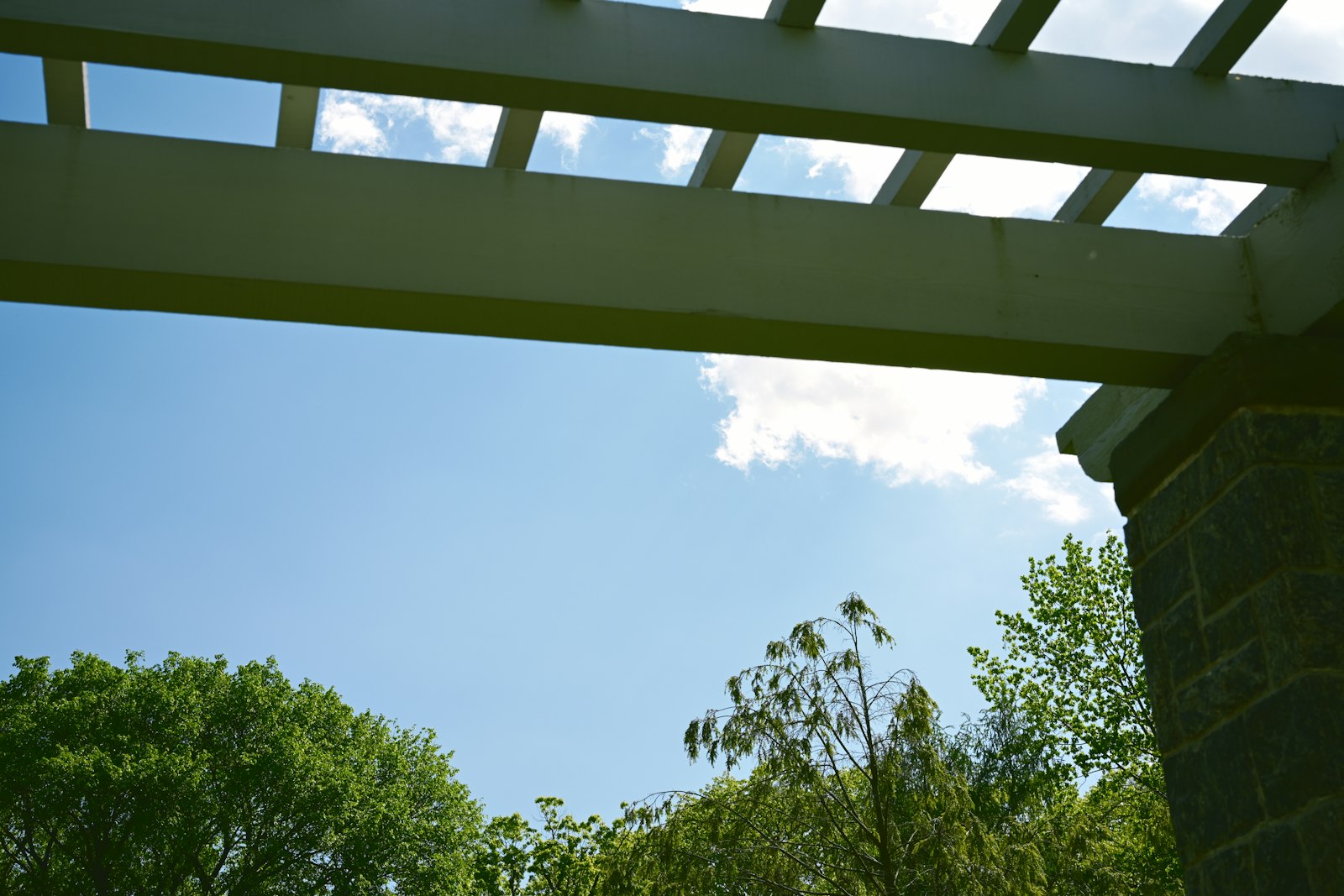
An attached cover ties into the house, usually under the existing roofline, so it feels like part of the home and shelters a doorway or back wall directly. A freestanding cover stands on its own posts anywhere in the yard, which lets you site it over a pool, a fire pit, or a view, and avoids tying new structure into the house. Attached covers read as a seamless extension; freestanding covers give you freedom of placement. Both need proper footings and, in most cases, a permit, since a roofed structure carries real load and wind uplift.
Before You Choose, Confirm
- How much shelter you want: filtered shade or a fully dry, all-weather room
- Whether it should match your home roofline (favors attached and wood)
- Your tolerance for upkeep: wash-only aluminum vs. seal-and-stain wood
- How it handles wind and heavy rain, not just sun
- Whether you want lighting, a fan, or a finished ceiling overhead
- That footings and a permit are planned, as a roof carries real load
Sources Valley Patios 2025 Cost Guide · Solara / patiocover.us · The Luxury Pergola · Fence Specialties · CWX Patio Covers
All Guides