
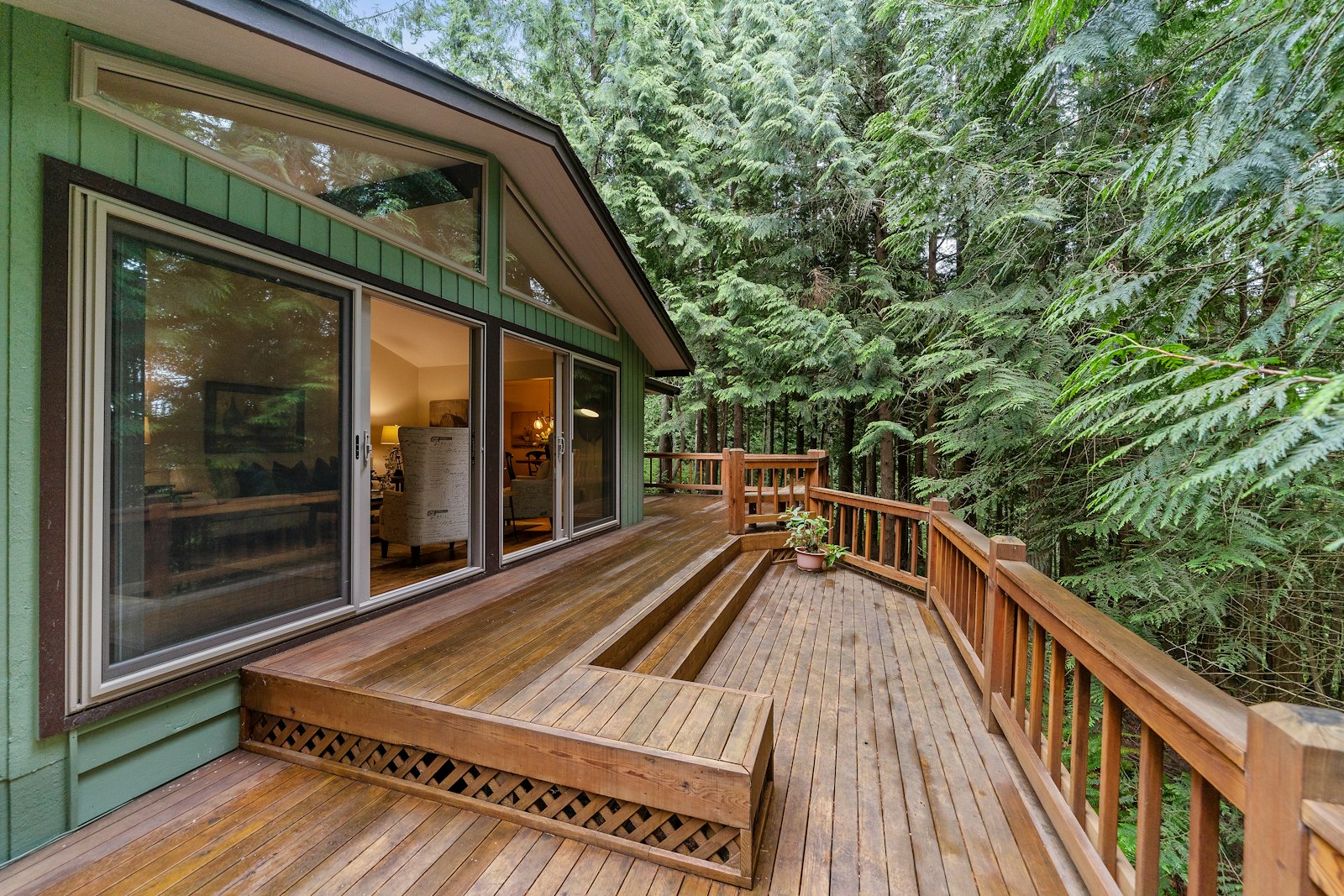
A deck looks simple from the yard, but a good one is a small structure with footings, framing, code, and a permit behind it. The planning is where the money and the headaches are decided. Work through these six decisions in order and you will reach the build with a clear scope, a realistic budget, and no surprises waiting at inspection.
Start With How You Will Use It
Before a single board is priced, decide what the deck is for. A dining deck for a table and chairs, a lounge deck for seating, a deck that steps down to the yard, or a wraparound that follows the house all lead to very different sizes and layouts. A common rule of thumb is to keep the deck below the footprint of the home so it reads as part of the house, not a platform stuck onto it. Sketch the furniture you actually own onto the plan, leave room to walk around it, and you will size the deck honestly instead of guessing.
The Six Planning Steps
-
Size and Layout
Fix the footprint, the shape, where stairs land, and how the deck meets the door and the yard. This drives everything downstream, so settle it first.
-
Pick the Material
Choose pressure-treated, cedar, composite, or PVC based on budget, how much upkeep you want, and how long you plan to stay. See the comparison below.
-
Set a Real Budget
Price the decking, the framing, railings, stairs, footings, and labor together. Installed cost, not board cost, is the number that matters.
-
Handle the Permit
Most NC decks need a building permit and a reviewed site plan. A good builder pulls it for you and files the plan with the county.
-
Footings and Framing
Footings go below the frost line on undisturbed soil, the ledger is flashed and bolted to the house, and the frame is built and fastened to code.
-
Build and Inspect
The structure is built, the required inspections are scheduled and passed, and the finished deck is documented on your property record.
Compare the Decking Materials
Material is the single biggest lever on both your budget and your weekends. Pressure-treated pine is the lowest upfront cost but needs the most upkeep and lasts the fewest years. Cedar is a warmer natural wood at a moderate price. Composite (such as Trex) and cellular PVC cost more upfront but skip the staining and last decades. The table shows installed cost per square foot, typical lifespan, and the upkeep each one asks of you.
Decking Materials, Compared
| Material | Installed / Sq Ft | Lifespan | Maintenance |
|---|---|---|---|
| Pressure-Treated Pine | $25 to $40 | 10 to 15 yrs | Clean and re-stain or seal regularly |
| Cedar | $30 to $50 | 15 to 20 yrs | Seal periodically to slow weathering |
| Composite (Trex, etc.) | $35 to $70 | 25 to 50 yrs | Wash only, never stain or seal |
| Cellular PVC | $50 to $80 | 30 to 50 yrs | Wash only, lifetime warranties common |
Typical Lifespan by Material
Midpoints of common manufacturer and contractor ranges. Real lifespan depends on climate, install quality, and upkeep.
Footings, Frost Depth, and Why It Matters
The part you never see is the part that decides whether a deck stays solid. Under the NC Residential Code, deck footings sit at least 12 inches below finished grade and never above the frost line set by your local building official, on undisturbed soil. Coastal areas run shallower, mountain areas deeper. The reason is simple physics: water in soil expands about 9% when it freezes, and a footing above the frost line lifts and drops each winter, racking the frame and tearing the ledger off the house. Done right, the footings, the flashed ledger, and the fastener spacing are what let a deck carry a crowd for decades.
What It Costs, and What It Returns
A built deck is a real project, not a weekend buy. A mid-size pressure-treated deck runs around $17,000 on average installed, with composite carrying roughly a 27% premium for the materials. The upside is that decks pay back well: the 2025 Cost vs. Value Report puts a wood deck addition near the top of exterior projects, recouping in the neighborhood of 95% of its cost at resale, with composite a bit lower. Few home projects both improve daily life and hold their value the way a well-built deck does.
Sources Decks.com · Trex · Zonda 2025 Cost vs. Value Report · NC Residential Code (Ch. 47 Wood Decks) · IRC R403.1.4
All Guides